
Firearm Selection and Carry: Understanding the Legal Considerations
Choosing and carrying a firearm raises questions that reach beyond personal preference. A familiar model, an ordinary magazine, or a permit issued close to home may leave important legal questions unanswered.…
Matt Johnson · Lawyer Monthly
Legal information for general reading, not advice for your situation. Jurisdictions and publication dates vary; consult the original source.
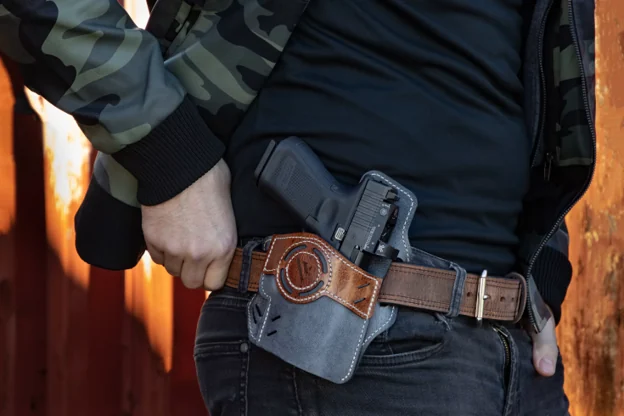
Choosing and carrying a firearm raises questions that reach beyond personal preference. A familiar model, an ordinary magazine, or a permit issued close to home may leave important legal questions unanswered. Those questions concern both the initial purchase and what happens afterward.
The terminology can also complicate the subject. Eligibility, purchase authorization, possession, and carrying describe related but distinct issues. Discussions about firearms often touch on several of these at once, making it easy to lose track of which requirement applies to which decision.
Travel adds another set of questions, while changing rules can make advice remembered from an earlier purchase less useful. This article examines those legal categories without treating general information as jurisdiction-specific legal advice.
Why Location Decides Almost Everything
Federal law sets a baseline, while state law and local ordinances add requirements that vary by jurisdiction. State and local rules can be stricter or looser than those elsewhere, so no single framework resolves every purchase or carrying question.
The same firearm, magazine, or carry method can be lawful in one state and a criminal offense across the border. Availability elsewhere therefore doesn’t establish legality at home.
Location connects the stages discussed below: choosing equipment, completing a purchase, possessing ammunition, and carrying a firearm. The reader’s home jurisdiction and any travel destinations determine which rules need examination.
Legal Limits That Shape Which Firearm You Choose
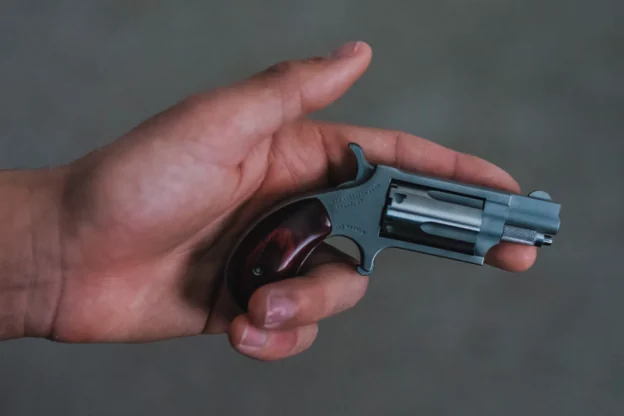
Eligibility comes before model selection. The ATF’s explanation of firearm possession restrictions identifies categories of prohibited persons under federal law, including restrictions involving both firearms and ammunition. A purchase decision therefore starts with the prospective owner’s legal status.
The transaction is a separate question. Licensed-dealer purchases involve the background check process and applicable exceptions, along with state-level requirements such as a waiting period or purchase permit. Eligibility, purchase authorization, and delivery timing address different issues.
The firearm’s exact configuration matters, too. Rules may distinguish between features, firearm types, or magazine capacities, so a model name alone isn’t a sufficient legal description.
Ammunition also deserves review. Buyers choosing among hollow-point rounds, subsonic ammo, and armor-piercing rounds face questions of legality tied to both the type and the jurisdiction. Those labels describe different characteristics, not necessarily mutually exclusive categories.
As with the firearm itself, the relevant questions include possession restrictions, purchase procedures, and rules governing a particular use.
What the Law Expects Once You Start Carrying
Ownership addresses possession; carrying raises additional questions about authorization, location, and conduct. A purchase review alone doesn’t establish the legal basis for carrying that same firearm outside the home afterward.
Permits, Carry Methods, and Reciprocity
The first distinction is between concealed carry and open carry. Each requires a separate reading of the rules; permission for one shouldn’t serve as evidence of permission for the other.
Permit-required and permitless carry frameworks also need careful interpretation. “Permitless” doesn’t replace examining eligibility, location restrictions, or conditions attached to the carry method. The question is which requirements apply to the person and activity, rather than the jurisdiction’s broad label.
Travel introduces reciprocity: whether a destination recognizes a permit issued elsewhere, and under what conditions. Recognition and transport remain separate inquiries. A route review should distinguish carrying on the person from transporting a firearm, including requirements concerning its condition and placement. A home-state permit alone doesn’t resolve those questions.
Restricted Places, Disclosure, and Defensive Force
Location-specific restrictions deserve a separate check, particularly for schools, government buildings, and other designated premises. Holding a permit doesn’t settle whether that authorization extends to a particular place and its circumstances.
Police encounters raise another issue: whether a duty to inform applies, what triggers it, and what disclosure it requires. This obligation is distinct from permission to carry.
Defensive force involves a different legal analysis. Reasonableness, the threat faced, and the surrounding circumstances are central questions, not conclusions supplied by a carry permit. Terms such as “stand your ground” and “duty to retreat” also require jurisdiction-specific interpretation. Neither phrase, standing alone, establishes whether a particular use of force would be lawful.
Staying Legal Is an Ongoing Responsibility
The legal considerations behind firearm selection and carrying aren’t resolved by a single purchase approval or permit. They involve separate questions about the person, the equipment, the transaction, and the circumstances of carrying, with jurisdiction connecting each stage.
General guidance provides a framework, not a legal determination. Because firearm laws change, any conclusion remains dependent on current official sources and, where interpretation is necessary, advice from a qualified attorney familiar with the relevant jurisdiction.
Main Image Source
Source & rights
Original article: Lawyer Monthly. Original language and source publication date retained.
Article and image rights remain with their original rights holders. This site does not grant blanket reuse permission or claim this source reporting as its own.