What Recovery Actually Looks Like After a Serious Injury
That's the biggest misconception about serious injuries. The discharge paperwork is your finish line. It's not. For most people it's more like a starting gun -- the point where the slow, tedious, costly part…
Matt Johnson · Lawyer Monthly
Legal information for general reading, not advice for your situation. Jurisdictions and publication dates vary; consult the original source.
Think recovery ends the day the hospital sends you home?
That's the biggest misconception about serious injuries. The discharge paperwork is your finish line. It's not. For most people it's more like a starting gun -- the point where the slow, tedious, costly part of recovery actually starts.
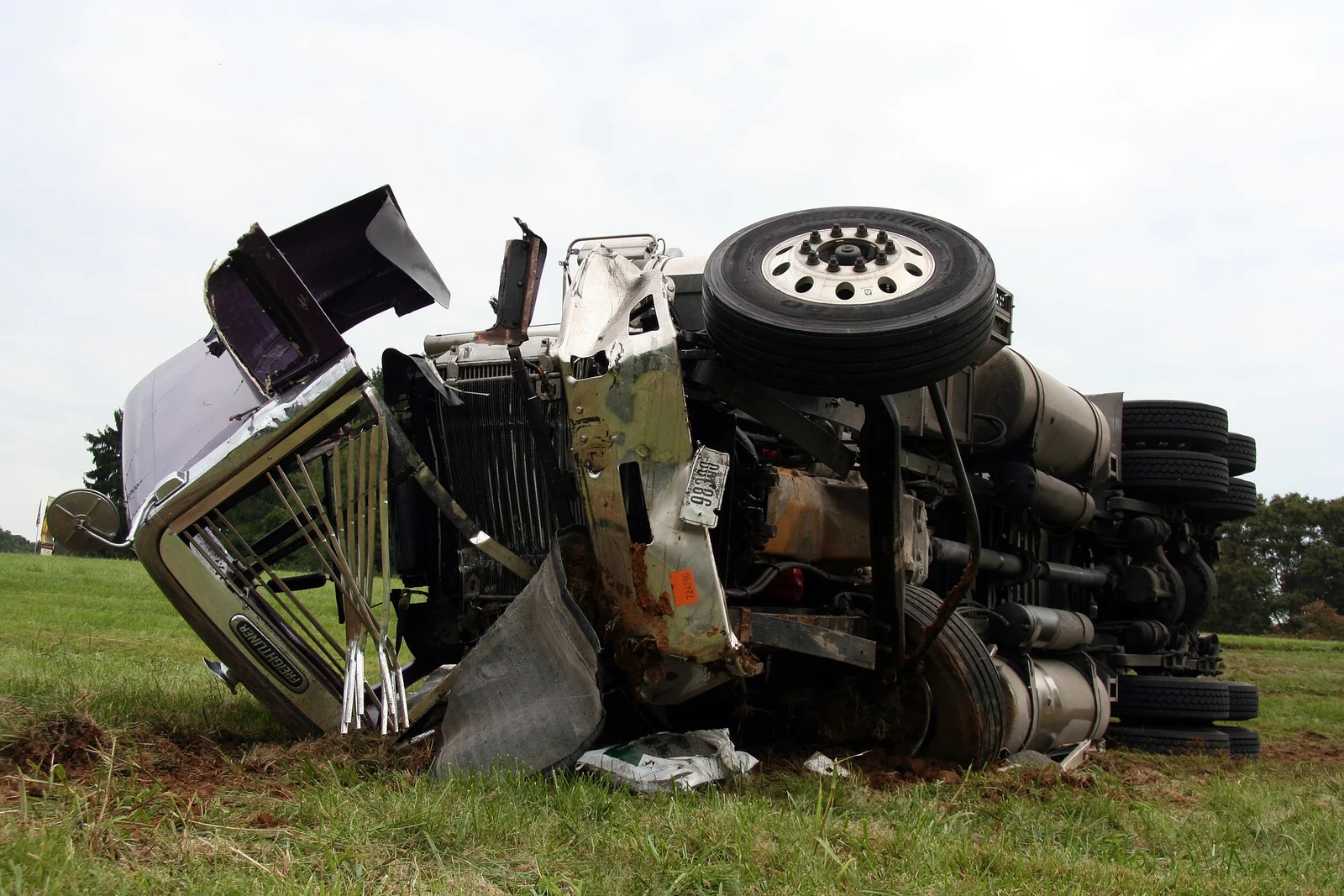
And if that injury happened because you got hit by an 80,000 pound truck? That gap between "released from hospital" and "back to normal" can be measured in years.
The good news?
Knowing what the road looks like makes it far easier to walk.
One thing people often don't realize after suffering an injury: The medical recovery process and legal recovery process operate on two entirely separate timelines. In fact, your semi-truck accident attorney will likely advise you not to agree to settle anything until after doctors have a firm grasp on your situation. Why? Because a truck accident lawsuit needs to take into consideration future medical treatment.
Trucking companies aren't waiting by the phone. Hours after an accident, their insurance companies have already sent out investigators to the scene. Agreeing to a settlement before there's any way of knowing whether you'll need a second surgery is how victims are stuck paying for their own medical treatment years later.
What you'll uncover:
- Serious Injury Recovery By The Numbers
- The Three Stages Of Physical Recovery
- The Injuries Nobody Can See
- What Actually Speeds Recovery Up
Serious Injury Recovery By The Numbers
Crashes involving big rigs are a class of their own. The physics involved are horrific. A tractor trailer that is fully loaded can outweigh the vehicle it collides with by 20-30 times. It always wins.
Statistics support this. In 2024, 161,201 people were injured in crashes with large trucks. That's an increase of 5% from the previous year. Worse yet, 72% of those injured were not in the truck.
Approximately 5,340 people were killed in these same crashes. Nearly 70% of the fatalities were occupants of other vehicles.
Then what about those who survive. Right now there are about 5.3 million Americans living with a disability caused by brain injury. That's not just a few bad months. For most of them that's their LIFE.
The Three Stages Of Physical Recovery
Recovery is not a continual uphill battle. You heal in phases and each phase feels utterly distinct from the previous one.
Stage 1: Survival Mode
Its that scene you think of. The emergency room. Operations. Tubes, machines and laying in a hospital bed for days or weeks.
What nobody tells you is how little of it you'll remember. Trauma. Pain meds. Shock. Full weeks disappear. It's your family that ends up remembering for you.
This is also when the paperwork begins to pile up. Medical bills, phone calls from insurance companies. Requests for recorded statements. Everything showing up while the injured person is too sick to read one word of it.
Stage 2: Rehab
Here's where the real work happens.
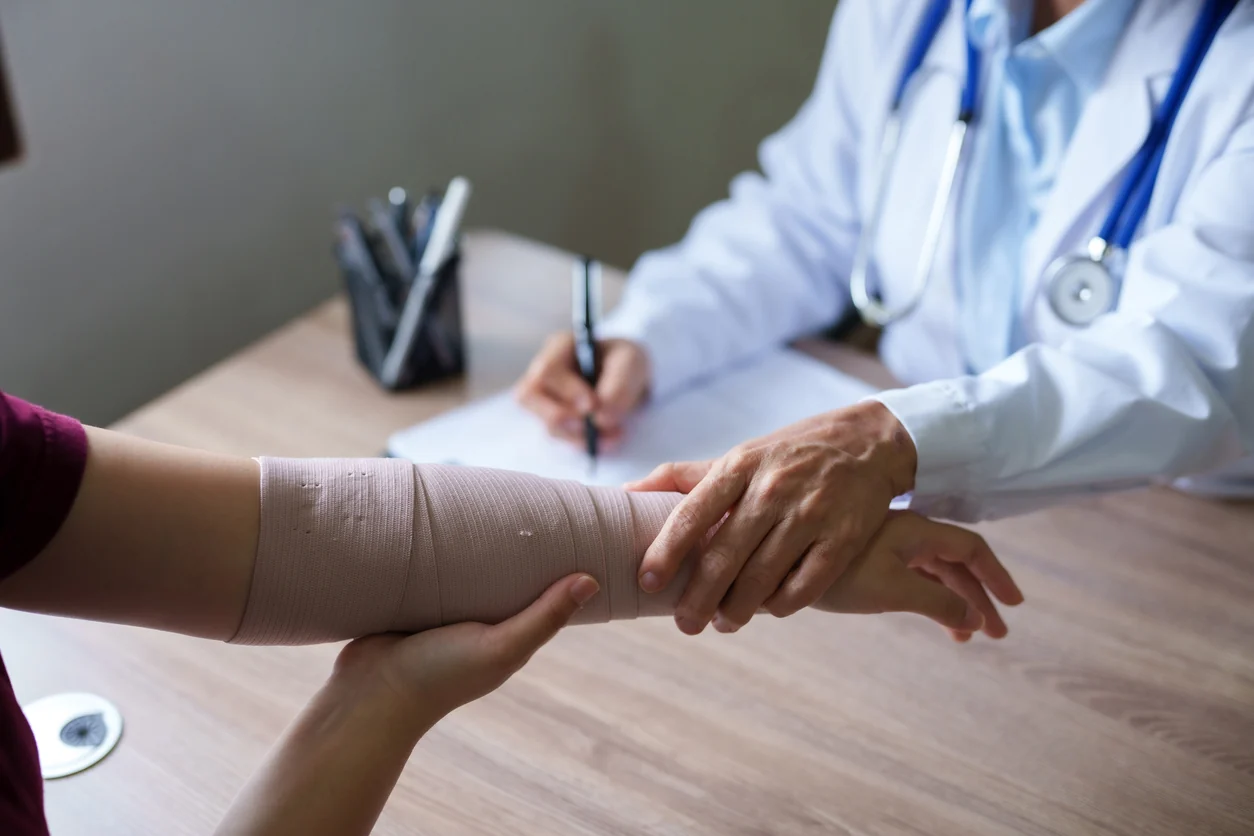
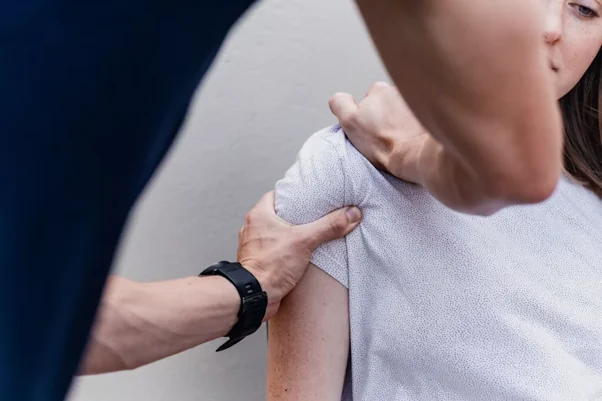
Physical therapy is slow. It's repetitive. Learning how to stand. Learning how to walk ten steps. Learning how to walk twenty. Progress is measured in inches. Not miles. Some weeks you don't move forward at all.
Rehab is also tiring in an egregious way. An hour-long session can ruin your whole afternoon. A body rebuilding from major trauma metabolizes calories at a rate disconnected from how previously fit you were.
Expect all of this to become the new routine:
- Physical therapy, often several times a week
- Occupational therapy for daily tasks like dressing, driving and cooking
- Pain management appointments
- Follow-up surgeries that were never in the original plan
That last part always surprises people. Hardware fails. Bones don't knit. Infections pop up unexpectedly. Second and even third surgeries are very common following major orthopaedic traumas. Each surgery sets you back to square one.
Stage 3: The Plateau
Then improvement slows down. Eventually it stops.
The plateau is the emotionally toughest part. There's no clear villain to battle anymore. The wounds have healed. The casts have been removed. Everybody thinks you're cured. But you can't yet pick your kid up, or work all day, or sleep without pain.
Doctors refer to this point as "maximum medical improvement." Essentially your body has healed as much as it's going to.
It does not mean the person is fine.
The Injuries Nobody Can See
Ask any Survivor of a serious accident what happened and they will usually reply the same thing...
The broken bones were rarely the worst part.
Brain injuries alter how someone thinks, remembers and responds. Mild ones go unrecognized at the scene entirely, as the symptoms — headaches, brain fog, short temper, difficulty finding simple words — closely resemble standard-issue stress.
Nightmares. Highway hypochondria. Simply refusing to drive. Psychological trauma kicks in often weeks or months after the accident when friends and employers feel like you've already gone through the hardest part.
Side Note: Chronic pain also falls into this category. It doesn't appear on any X-ray or scan, but whispers to you each day what you can and can't do.
What Actually Speeds Recovery Up
There's no shortcut. But a handful of things genuinely make the road shorter.
- Begin rehab as soon as possible — mobility & muscle come far more easily to maintain rather than regain.
- Adhering to the treatment plan — interruptions in treatment prolong recovery and will look suspicious.
- Treating mental health like an injury — depression and anxiety that aren't addressed prolong physical recovery.
- Assemble your own team of support — family, understanding employer, case manager who harasses your appointments.
- Writing everything down — symptoms, appointments, missed workdays, tasks that are now impossible.
That final habit is worth more than you'd think. Memory fails you after trauma, and a daily note is the clearest journal of just how life altering things actually were.
Recovery needs realistic expectations too. Not "normal by summer" plans, but something achievable this week. Small victories help folks cope during the months where it feels like nothing is changing.
Tying It All Together
Healing from a major injury takes much longer than most people anticipate. It is longer. Messier. Lonelier. There are stages--survival, physical therapy, plateau--and the scars you carry in your head typically outlive those on your body.
A quick recap of what matters most:
- The hospital discharge is the beginning, not the end
- Follow-up surgeries and setbacks are normal, not failure
- Invisible injuries deserve the same attention as visible ones
- Consistent treatment and good records protect both health and finances
- Nobody should be pressured into decisions before the full picture is clear
The journey ahead is long. Many travel it every day. Those who survive are usually the ones who expected.
https://unsplash.com/photos/person-massaging-shoulder-in-white-shirt-wGFibXDQlBI
Source & rights
Original article: Lawyer Monthly. Original language and source publication date retained.
Article and image rights remain with their original rights holders. This site does not grant blanket reuse permission or claim this source reporting as its own.