What a Motorcycle Accident Lawyer Needs to Build a Strong Claim
Beverly Hills draws riders year-round, from commuters cutting through the Golden Triangle to weekend crowds carving the canyon roads above Sunset Boulevard. That popularity carries real risk. Across…
Matt Johnson · Lawyer Monthly
Legal information for general reading, not advice for your situation. Jurisdictions and publication dates vary; consult the original source.

Beverly Hills draws riders year-round, from commuters cutting through the Golden Triangle to weekend crowds carving the canyon roads above Sunset Boulevard. That popularity carries real risk. Across California, motorcyclists make up only a small slice of registered vehicles yet accounted for 583 deaths in 2023, roughly 14% of all traffic fatalities in the state, and the state averaged close to 11,843 motorcycle crashes a year between 2020 and 2024. With more than 850,000 motorcycles registered statewide, more than in any other state, the density of riders on tight commercial grids and steep, winding streets makes a place like Beverly Hills especially unforgiving when something goes wrong.
A motorcyclist involved in a crash faces a problem car drivers rarely do: bias. Insurance adjusters and even jurors often assume the rider was reckless before a single fact gets checked, and that assumption can gut a settlement. Overcoming it takes evidence, organized and airtight, which is why motorcycle accident help in Beverly Hills starts with building the file the moment a case begins. Here is what goes into a claim strong enough to hold up.
Proving Fault and Liability
This is where motorcycle cases are won or lost, because the other side will try hard to shift blame onto the rider. A lawyer moves quickly here, since the most useful evidence is often the first to disappear.
- Official police report: The officer's initial findings, any citations issued, and statements from everyone involved in the crash.
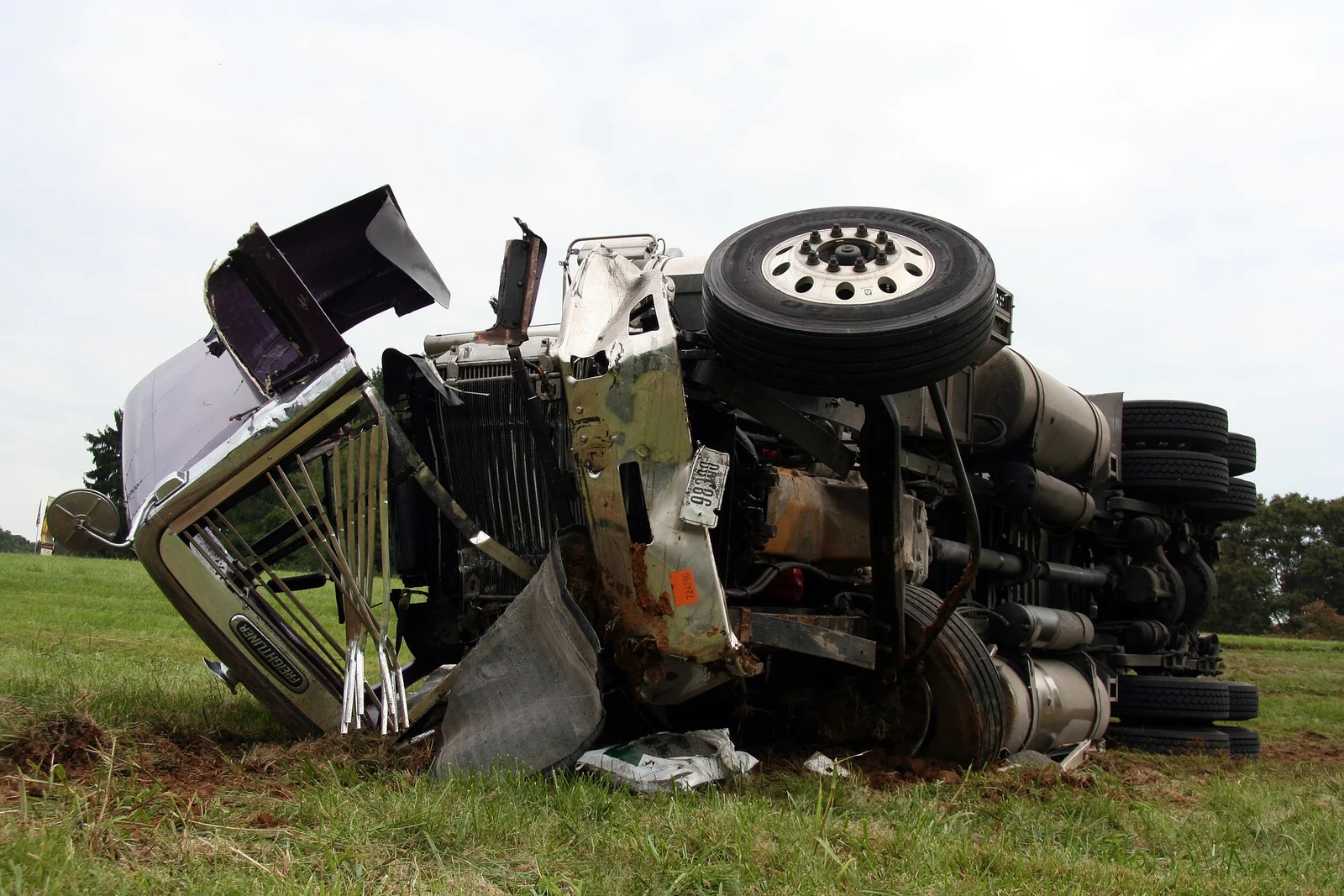
- Scene photos and video: Where the vehicles came to rest, the debris and skid marks, any road hazards, and whether the signals were working.
- Surveillance and dashcam footage: Clips from a corner store, traffic cam, or helmet cam, pulled before anyone records over them.
- Witness testimony: Accounts from people who saw the crash but have nothing to gain from the outcome.
- Accident reconstruction experts: Specialists who calculate speed, angles, and impact dynamics when fault is genuinely in dispute.
In California, where lane splitting is legal but has to be done safely, that same evidence often settles whether a rider was acting prudently or handed the insurer an opening to assign blame.
Documenting Injuries and Medical Care
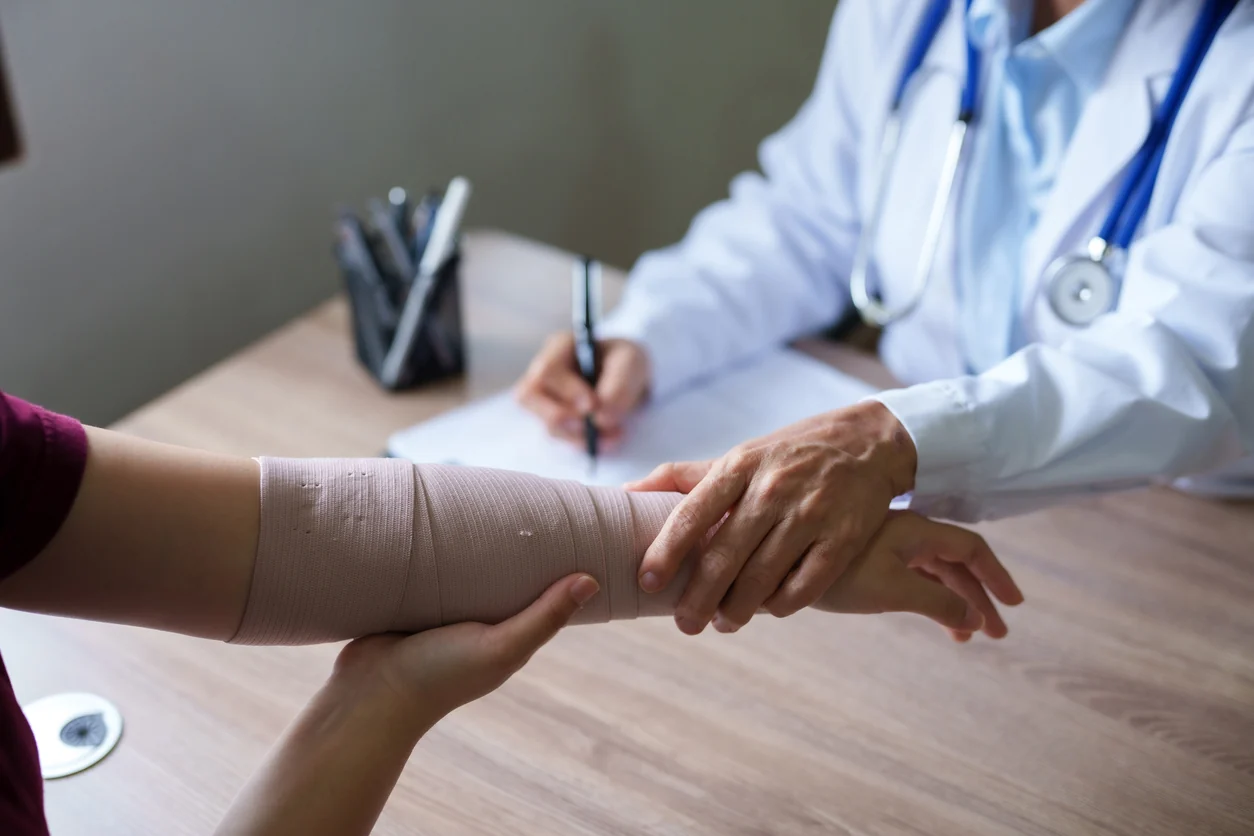
A rider's injuries have to be tied directly and provably to the crash, with no gaps for an adjuster to exploit. Even a short delay before the first doctor visit can give the defense room to argue the harm came from something else, so the timing is documented carefully.
- Immediate medical records: ER intake and early treatment that lock in a timeline from impact to diagnosis.
- Full treatment logs: Surgeries, X-rays and MRIs, and every therapy session, kept together in one place.
- Future care projections: A specialist's estimate for long-term therapy, hardware, or a permanent disability.
Establishing Financial and Personal Losses
Money is the other half of the story. They eat into a rider's pay and upend daily life, and they linger long after the bruises heal.
- Proof of lost wages: A letter from the employer laying out the shifts you missed, the pay you gave up, and any job perks.
- Property damage estimates: What a shop quotes to repair or replace the bike, plus the busted gear like a helmet or jacket.
- Personal pain journal: A day-by-day record of pain levels, emotional strain, and the everyday activities the injury took away.
Motorcycle injuries also tend to be severe. Without a steel frame, airbags, or a seatbelt, a rider absorbs the full force of a collision, and crashes here often produce traumatic brain injuries, spinal damage, and complex fractures.
Those outcomes drive large past and future medical bills, and because so many residents are high earners, a lasting injury can also fuel a substantial loss-of-earnings claim. A thorough file captures all of it.
Conclusion
Motorcycle claims are rarely decided by who was hurt worst. They are decided by who can prove their case. In a city where canyon runs, luxury traffic, and constant construction put riders at outsized risk, and where both injuries and case values run high, a strong file is everything.
Clear liability evidence, a tight medical record, and honest documentation of every loss are what push back against rider bias and turn a fair claim into a paid one. If you ride, knowing what that file requires is the first step toward protecting yourself before you ever need it.
Source & rights
Original article: Lawyer Monthly. Original language and source publication date retained.
Article and image rights remain with their original rights holders. This site does not grant blanket reuse permission or claim this source reporting as its own.