Workplace Safety Whistleblowers: The Legal Protections for Employees Who Report PPE Failures
You're not alone. Workers identify PPE issues every week. Leaky mask. Missed fit test. Gloves that rip during their first shift.
Matt Johnson · Lawyer Monthly
Legal information for general reading, not advice for your situation. Jurisdictions and publication dates vary; consult the original source.
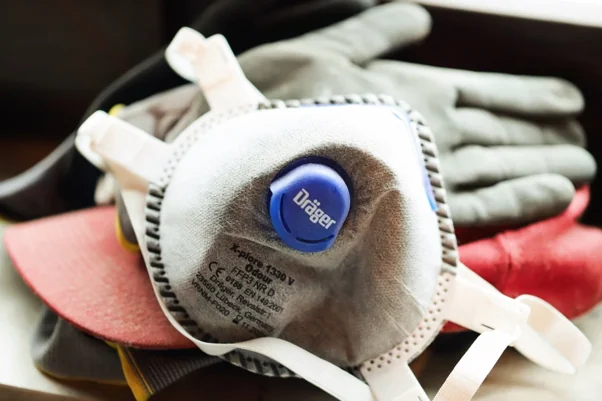
Ever spotted a broken respirator at work and kept quiet about it?
You're not alone. Workers identify PPE issues every week. Leaky mask. Missed fit test. Gloves that rip during their first shift.
Here's the problem:
Most employees stay silent because they're scared of losing their job.
That anxiety is understandable. However, you're protected by law. Federal laws protect employees who raise concerns about unsafe equipment, and understanding those laws can protect your lungs (and your paycheck).
Inside this guide:
- Why PPE Failures Are So Common
- What Counts As A PPE Failure?
- The Legal Protections You Have
- How To Report A PPE Failure The Right Way
Why PPE Failures Are So Common
PPE only works when it fits and works properly. Sounds simple, right?
But it’s also one of America’s most violated safety rules. During the fiscal year of 2025, OSHA issued 2,294 respiratory protection violations. That ranked it number 5 on OSHA’s “biggest 10” list.
Think about that for a second...
Each of those violations represents a workplace where employees may have been exposed to dangerous substances. And in many instances, it was a worker on the floor who identified the hazard well before an inspector ever got there.
What Counts As A PPE Failure?
A PPE failure is when your personal protective equipment fails to function as intended.
The most common failures include:
- Respirators that were never fit tested
- Damaged or expired equipment
- The wrong type of gear for the hazard
- No training on how to use it
Qualitative Fit Testing: The Failure Nobody Talks About.
Fit testing is important. If your respirator does not fit to your face properly it is worthless.
The Basics: Qualitative fit testing results in either a pass or fail. During testing, you wear your respirator while the tester places your head into a hood. They then release a testing agent (saccharin = sweet, Bitrex = bitter), if you can taste/smell it... you have failed the seal.
OSHA mandates that employers fit test employees before they are first assigned a tight-fitting respirator, and at least annually thereafter. Many employers contract with third-party respirator fit testing services to ensure qualitative fit testing is performed in a timely manner and documented correctly. If your employer failed to perform your qualitative fit testing, or fabricated the results, it's a violation of PPE protocol you can file a complaint about.
The Legal Protections You Have
Now to the good part.
Section 11(c) of the Occupational Safety and Health Act prohibits your employer from retaliating against you for speaking up about safety issues. That means it's illegal for your employer to retaliate against you when you:
- Report a hazard to your boss or safety manager
- File a complaint with OSHA
- Take part in an OSHA inspection
- Report a work injury or illness
Okay, but what does "punish" mean? Punishment doesn't just mean firing you. Examples of retaliation include demotion, reduced hours, lost overtime opportunities, a sudden negative performance review, threats or assigning you to the shift or "rotation" nobody wants.
If it happened because you spoke up, it could be illegal.
Workers are taking advantage of these safeguards. During the fiscal year of 2023, OSHA logged 2,309 OSH Act retaliation complaints. The only year that had more filings was 2020 (at the height of the pandemic) with 2,539 complaints.
Pretty eye-opening, right?
The Right To Refuse Dangerous Work
Here's something most workers don't realise. You have the right to refuse work that endangers your life. However, it is not an absolute right. In most cases the refusal will be justified when:
- You reasonably believe that death or serious bodily injury will imminently occur
- You asked your employer to fix the hazard and they didn't
- There's no time to get an OSHA inspection first
- A reasonable person in your shoes would agree the danger is real
Asked to work near toxic fumes without a properly fitted respirator? That might qualify. Just don't leave the job site. Remain at hand and clearly communicate why you will not perform the task.
What Happens If You Win?
If OSHA determines that you were retaliated against for speaking up, your employer can be required to make amends. This can include reinstatement to your job, back pay, benefits and clearing of the discipline from your record.
In some cases, the Department of Labor can take the employer to federal court.
But be warned...
Cases can drag on for months. This is why your paper trail, started on day one, is so important. The better your records are, the less your employer can argue the discipline had nothing to do with your complaint.
Other Laws That Might Help
Federal law doesn't stop the conversation there. Many states have their own OSHA approved safety plans. Some of these state programs provide greater whistleblower protections than their federal counterparts. Union contracts may also provide additional protection via the grievance process.
It's worth checking what applies where you work.
How To Report A PPE Failure The Right Way
Timing is everything here.
If you experience retaliation you ONLY have 30 days to file a Section 11(c) complaint with OSHA. If you miss that deadline... your case could be permanently dismissed.
So how do you protect yourself? Follow these steps:
- Keep records: Date, time, who was there and what was said. Take pictures of damaged equipment, if possible.
- Document it: Send yourself up the flagpole. An email to your boss is proof that you complained.
- Keep copies: Save your records somewhere outside of company systems.
- File with OSHA: Available online, by phone or in person at a local office.
- Consult an attorney: An employment attorney will be able to advise you on what laws apply to you.
Please note that you may request anonymity when you file a safety complaint with OSHA. This will provide you with additional protection while the issue is addressed.
Seriously, it is that easy. The paper trail does all the work for you.
Final Thoughts On Speaking Up
Reporting a PPE failure is courageous. However, failing to report can cost you more than your job. It can cost someone their health.
The law gives you real protection when you raise safety concerns. To quickly recap:
- PPE failures include missed or faked qualitative fit testing
- Section 11(c) protects you from retaliation
- You have just 30 days to file a retaliation complaint
- Written records are your best defence
Know your rights. Document everything. Speak up early.
Safe gear isn't a perk -- it's the law.
Source & rights
Original article: Lawyer Monthly. Original language and source publication date retained.
Article and image rights remain with their original rights holders. This site does not grant blanket reuse permission or claim this source reporting as its own.