
Boohoo Faces £245m High Court Investor Claim Over Leicester Supply Chain
Boohoo Group faces a further £10 million of investor claims after 11 institutional investors joined High Court proceedings concerning statements about working conditions in its Leicester supply chain, taking…
Richard Sanders · Lawyer Monthly
Legal information for general reading, not advice for your situation. Jurisdictions and publication dates vary; consult the original source.
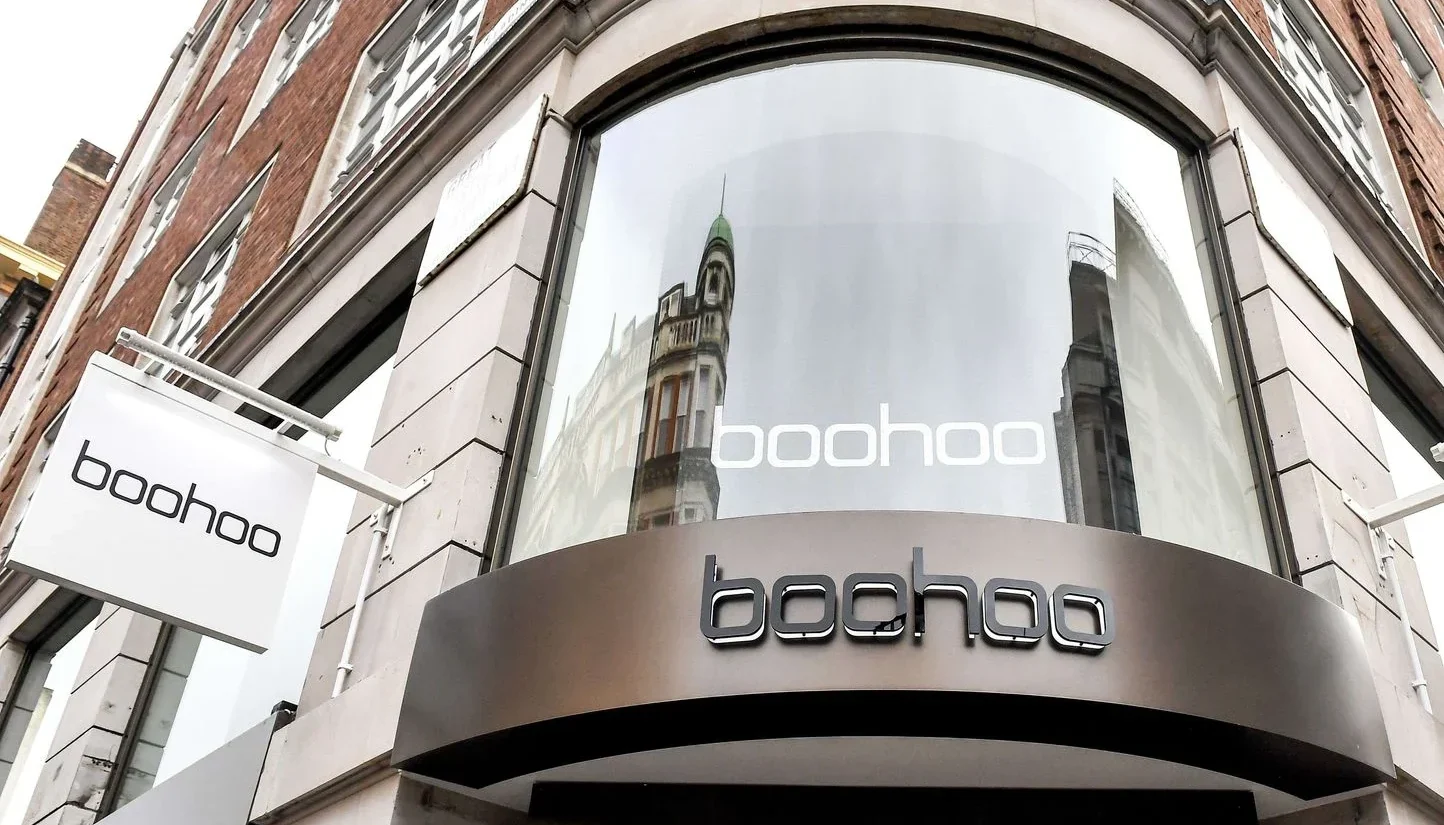
Boohoo Group faces a further £10 million of investor claims after 11 institutional investors joined High Court proceedings concerning statements about working conditions in its Leicester supply chain, taking the reported value of compensation sought to £245 million.
The new claimants include the Bank of Korea, Stichting Shell Pensioenfonds, the Illinois Municipal Retirement Fund and the Public Employees’ Retirement System of Mississippi. They join proceedings originally brought in 2024 by investors including the California State Teachers’ Retirement System.
Fox Williams represents the claimants, while Herbert Smith Freehills Kramer represented Boohoo at the February case-management hearing. The allegations concern annual reports, market announcements and modern slavery statements published between January 2017 and September 2020.
The investors claim that Boohoo published misleading information or failed to disclose material facts before reports about conditions at supplier factories were followed by an approximately 42% fall in its share price in July 2020.
The proceedings, California State Teachers’ Retirement System & Ors v Boohoo Group PLC [2026] EWHC 335 (Comm), are brought under section 90A and Schedule 10A of the Financial Services and Markets Act 2000. For claims based on misleading statements or omissions, each investor must establish reasonable reliance and resulting loss, alongside the required state of mind of a person discharging managerial responsibilities. A dishonest-delay claim does not carry the same reliance requirement.
The investors allege that Boohoo co-founder Mahmud Kamani must have been aware of underpayment and unacceptable working conditions within the company’s Leicester supply chain.
An independent review led by Alison Levitt KC found that allegations of poor working practices were substantially true and that problems were endemic, but also concluded that Boohoo had not deliberately allowed the conditions to exist or intentionally profited from them. Boohoo strongly contests the investors’ allegations and intends to defend the claim.
The litigation has already produced an important case-management ruling. In February, Mr Justice Michael Green held that reliance should be considered at the first trial alongside liability and standing, rather than automatically being postponed.
The first trial is expected to begin in October 2027, while causation and quantum may be left to a second trial for claimants who establish reliance. The addition of further investors increases the work required to particularise how individual institutions relied on Boohoo’s published statements.
The enlarged claimant group puts reliance evidence at the centre of the case. Investors pursuing claims based on misleading statements or omissions will have to identify the reports, market announcements or modern slavery statements that influenced their decisions. Boohoo’s defence can then test that evidence against the company’s approval records and what senior managers knew at the time.
Working conditions in Boohoo’s supply chain have developed into shareholder litigation several years after the disputed statements were published. Listed companies can expect public assurances about labour standards and ethical sourcing to be tested against board papers, compliance reports and internal warnings if those statements are later challenged.
The High Court trial scheduled for October 2027 could clarify how section 90A of the Financial Services and Markets Act 2000 applies to corporate statements about workforce and supply-chain standards, particularly where a large group of institutional investors advances different cases on reliance.
Source & rights
Original article: Lawyer Monthly. Original language and source publication date retained.
Article and image rights remain with their original rights holders. This site does not grant blanket reuse permission or claim this source reporting as its own.