Anthropic and Music Publishers Clash Over AI Copyright Fair Use
Anthropic and a group of major music publishers have clashed in a California federal court over whether the use of copyrighted song lyrics to train the company's Claude artificial intelligence models is…
Matt Johnson · Lawyer Monthly
Legal information for general reading, not advice for your situation. Jurisdictions and publication dates vary; consult the original source.
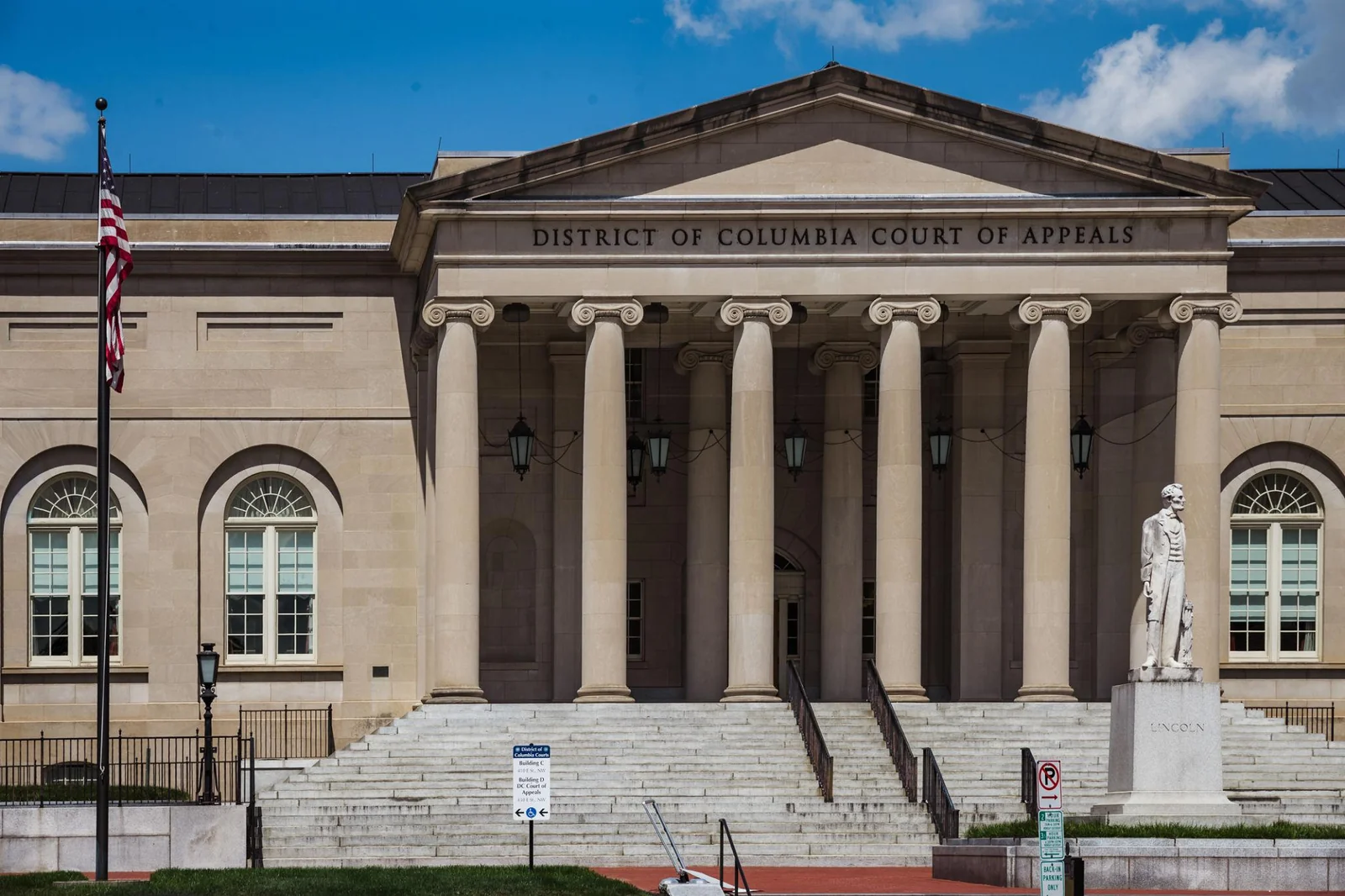
Anthropic and a group of major music publishers have clashed in a California federal court over whether the use of copyrighted song lyrics to train the company's Claude artificial intelligence models is protected by US fair use law.
US District Judge Eumi Lee heard arguments on competing motions for summary judgment in San Jose, with Anthropic seeking a ruling that its AI training practices constitute fair use and publishers including Universal Music Publishing Group, Concord Music Group and ABKCO challenging that position.
The dispute has become part of a broader legal battle over the material technology companies can use to develop generative AI systems without obtaining permission or paying copyright holders.
Anthropic argues that training Claude on copyrighted material is transformative because the process uses the material to develop an AI model capable of performing a wide range of tasks rather than simply providing users with substitutes for the original works. The publishers argue that Anthropic copied their lyrics without permission and that Claude's ability to reproduce lyrics or generate competing material weighs against its fair use defence.
Judge Lee questioned both sides during the hearing, with particular attention paid to whether Anthropic's use of the works could damage existing or potential markets for copyrighted material. Market impact is one of the factors courts consider when determining whether an otherwise infringing use qualifies as fair use.
The publishers pointed to evidence concerning almost 120,000 prompts used to generate synthetic lyrics, arguing that AI-generated material could compete with works created by human songwriters.
Anthropic disputed the suggestion that its technology creates a meaningful substitute for the publishers' works. Its lawyers argued that Claude's training involves analysing large quantities of material to develop capabilities that extend beyond the copyrighted works used during training.
The litigation dates back to 2023, when Concord, Universal and other publishers brought claims over Anthropic's alleged use and reproduction of copyrighted lyrics. The dispute has since developed alongside separate litigation concerning the sources used to obtain copyrighted material for training AI models.
The case is being closely watched because US courts are still establishing how existing copyright principles should apply to generative AI. Courts considering other AI training disputes have reached differing conclusions over when the use of copyrighted material can qualify as transformative fair use.
That uncertainty has significant consequences for technology companies and rights holders. A broad application of the fair use defence to AI training could allow developers greater scope to train models on copyrighted works without negotiating licences for every piece of content. A narrower interpretation could strengthen the position of rights holders seeking licensing payments or pursuing infringement claims.
The dispute is also important for law firms advising technology businesses, publishers and other intellectual property owners. Questions around the provenance of training data, licensing arrangements and the potential market effect of AI-generated content are becoming increasingly significant in litigation and commercial agreements involving artificial intelligence.
Judge Lee took the competing arguments under consideration without immediately ruling on the summary judgment motions. Her eventual decision could provide another significant indication of how US courts will balance the development of generative AI systems against the rights of copyright owners.
Source & rights
Original article: Lawyer Monthly. Original language and source publication date retained.
Article and image rights remain with their original rights holders. This site does not grant blanket reuse permission or claim this source reporting as its own.