Trump Ordered to Sit for Deposition in $10bn BBC Defamation Lawsuit
Donald Trump has been ordered to sit for a deposition in his $10 billion defamation lawsuit against the BBC , as the broadcaster seeks evidence to challenge both his allegations and the damages he claims to…
Matt Johnson · Lawyer Monthly
Legal information for general reading, not advice for your situation. Jurisdictions and publication dates vary; consult the original source.
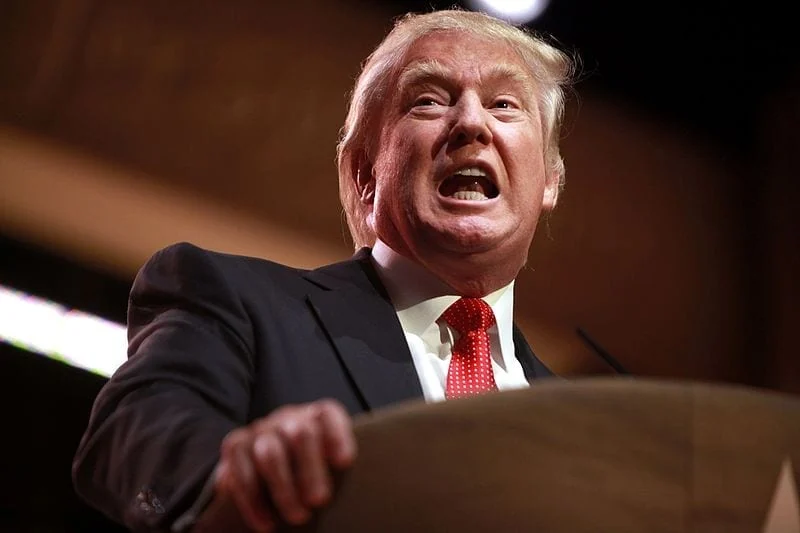
Donald Trump has been ordered to sit for a deposition in his $10 billion defamation lawsuit against the BBC, as the broadcaster seeks evidence to challenge both his allegations and the damages he claims to have suffered.
US Magistrate Judge Enjoliqué Lett ordered Trump to answer questions under oath by December 11 during a federal court hearing in Miami. Discovery is currently scheduled to close on December 18, leaving the parties one week between the deposition deadline and the end of the evidence-gathering process.
Trump filed the lawsuit in Florida federal court in December 2025 over a BBC Panorama documentary that used edited portions of the speech he delivered on January 6, 2021, before the attack on the US Capitol.
The lawsuit alleges defamation as well as deceptive and unfair trade practices. Trump claims the BBC intentionally misled viewers by combining sections of the speech in a way that made it appear he had directly encouraged supporters to storm the Capitol.
The BBC has acknowledged that the editing was misleading and apologised to Trump, but denies that it is legally liable for defamation.
The latest dispute centres on discovery. Trump's deposition had previously been scheduled for October 16, but he cancelled the appearance after his lawyers cited matters of national importance and demands associated with his presidential duties.
His lawyers subsequently proposed dates in January 2027. The BBC objected, arguing that this would place the deposition beyond the existing December 18 discovery deadline.
Lett has now ordered Trump to make himself available by December 11. Failure to comply could result in sanctions, including possible dismissal of the lawsuit, unless the discovery timetable is extended by the district judge overseeing the case.
The judge also ruled that Trump's deposition may be recorded on video, rejecting a request from his lawyers for questioning to be recorded only by a court reporter. The video will be restricted to attorneys involved in the litigation rather than released publicly.
The discovery process is also extending into Trump's business interests. Lett ruled that the BBC can obtain records showing the number of applications for membership at Trump's Mar-a-Lago club between January 2020 and January 2026, together with membership and initiation fees for new applicants.
The broadcaster argues that the information is relevant to Trump's claim that the documentary damaged his reputation. Trump's lawyers have challenged requests for financial and business records as overly broad and irrelevant.
A separate dispute concerns former special counsel Jack Smith, whom the BBC wants to question about the events surrounding Trump's January 6 speech. Trump's lawyers oppose the deposition, arguing that Smith has no personal knowledge of Trump's speech or his state of mind.
Smith requires permission from the Department of Justice before giving evidence as a former federal employee. Lett has ordered the department to respond to his request for authorisation by November 2, leaving open the question of whether the BBC will ultimately be able to question him.
The discovery battle illustrates the scrutiny a claimant can face after seeking substantial damages in defamation proceedings. A plaintiff alleging serious reputational and financial harm may be required to disclose evidence that allows the defendant to test whether that damage actually occurred and, if so, its extent.
That issue is particularly significant given Trump's demand for at least $10 billion in damages. Evidence concerning his reputation, business interests and the alleged financial consequences of the documentary could become important as the BBC seeks to challenge the claimed loss.
The underlying defamation dispute remains unresolved. The BBC's acknowledgement that the documentary contained misleading editing does not by itself establish that the legal requirements for defamation have been satisfied, and the broadcaster continues to deny liability.
The immediate issue is therefore procedural rather than a determination of the merits. Trump must participate in discovery as the claimant who brought the case, while the BBC is entitled to seek evidence relevant to its defence.
Whether the case ultimately reaches trial will depend on issues extending well beyond the disputed edit. The discovery process is now testing the evidence behind Trump's allegations of reputational and financial damage, while the court's December 11 deadline places his own sworn testimony firmly at the centre of the litigation.
Source & rights
Original article: Lawyer Monthly. Original language and source publication date retained.
Article and image rights remain with their original rights holders. This site does not grant blanket reuse permission or claim this source reporting as its own.