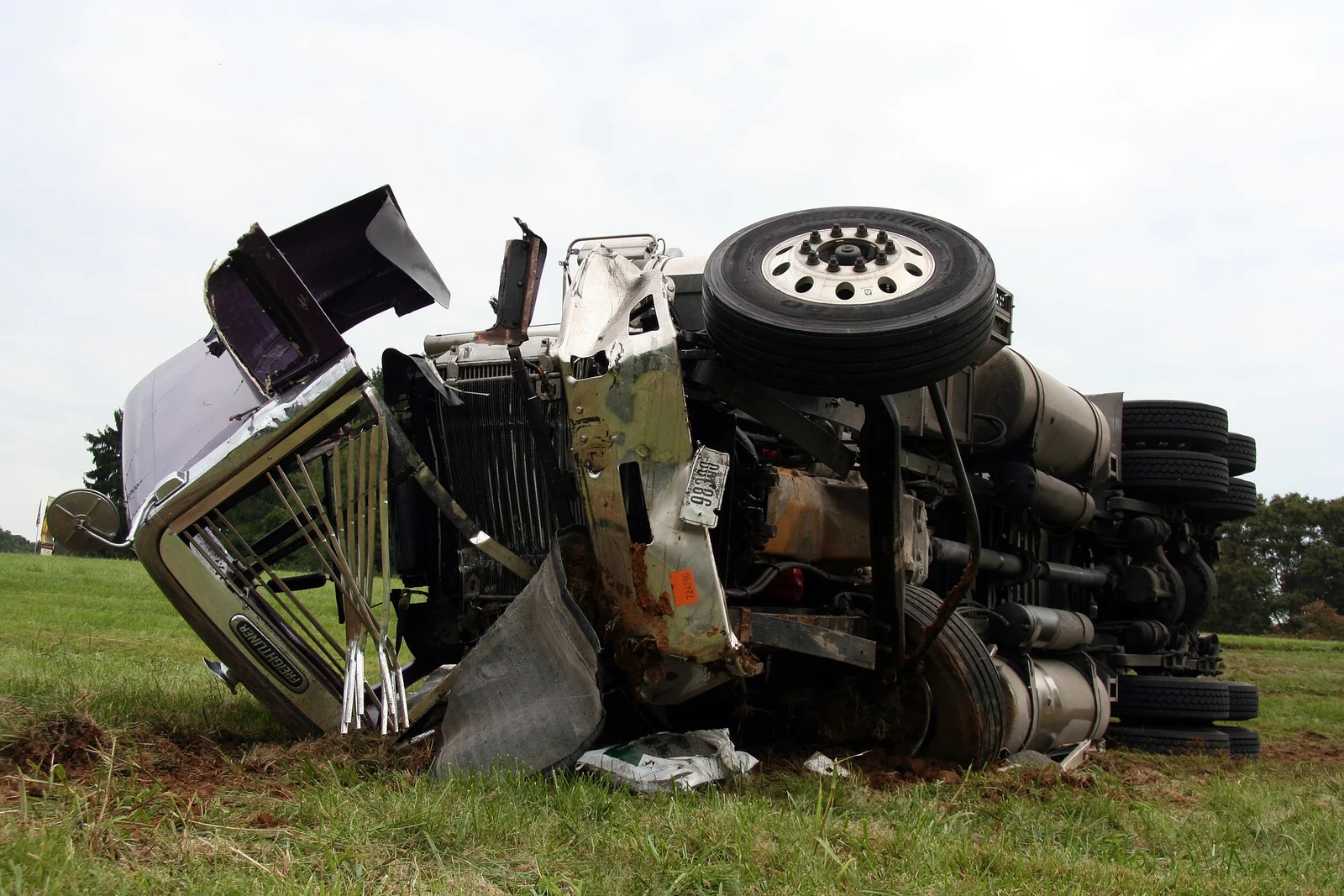
Why Early Settlement Offers Rarely Reflect the True Cost of an Injury
Were you injured in an accident and already have a settlement offer in your inbox?
Matt Johnson · Lawyer Monthly
Legal information for general reading, not advice for your situation. Jurisdictions and publication dates vary; consult the original source.

Were you injured in an accident and already have a settlement offer in your inbox?
That quick settlement offer may seem like a lifesaver. You have bills coming at you left and right. You can't work, and the insurance company is dangling a check in front of you.
Here's the problem:
That first offer is almost never what your injury is really worth.
Insurance companies operate at breakneck speed for a reason. If you sign quickly, they pay out less. Once you sign on that dotted line, you can't take it back.
A fast offer is usually a cheap offer.
Learn why early offers are rarely enough, which costs they leave out and how to protect yourself before signing anything.
Let's jump in!
Inside this guide:
- Why Do Insurers Make Early Offers?
- The Hidden Costs Of An Injury
- How A Personal Injury Attorney Changes The Game
- 4 Signs Your Offer Is Too Low
Why Do Insurers Make Early Offers?
Insurance companies are businesses. Their goal is simple... pay out as little as possible.
An early offer is one of the best tools they have to do that.
Why? Because immediately after an accident you are not aware of the extent of your injuries. Some injuries take days or even weeks to manifest themselves. Others become worse as time goes by.
The insurance adjuster knows that. They also know that you're stressed out, injured and concerned about finances.
So they give you what sounds like a fair offer... before you or your doctor understand the extent of the injuries.
Pretty sneaky, right?
And here's the kicker:
Most settlement agreements contain what's called a release. Basically, when you take the money you can't ask for more later. Even if you need surgery six months later.
That’s why it’s so important to speak with a personal injury attorney before you sign anything. A knowledgeable personal injury attorney can examine the offer and review your medical records to determine if the numbers make sense. If the insurance company is not being cooperative, your attorney can help you file an injury lawsuit and advocate for you in court to pursue the full amount of your injury claim.
The Hidden Costs Of An Injury.
When it comes to injuries, most people only consider the hospital bill. However injuries cost you much more than that.
Do you know how expensive injuries really are? The National Safety Council estimates that a "possible" injury from a crash carries an average cost of $28,000. And that's for an injury that may not even look serious at first!
On a national level, researchers from the CDC determined that crash injuries cost over $99 billion a year in medical care and lost productivity.
So where does all that money go?
Future Medical Bills
The ER is only the beginning. If you're injured you may need follow up care such as:
- Physical therapy
- Specialist visits
- Surgery
- Ongoing medication
An early offer is typically only designed to pay your bills as they exist today. Not next month... or next year.
Lost Wages & Earning Power
Can't work while you heal? That's lost income.
What if your injury completely prevents you from doing your job? Or relegates you to a lower-paying position? That's called lost earning capacity, and it can equal tens of thousands of dollars over the course of your lifetime.
Early offers rarely take this into account.
Pain & Suffering
Difficult to quantify? You betcha. That's why insurance companies would rather avoid it at all costs.
Pain and suffering. Stress. Sleepless nights. Missing your favorite activities. These are all actual losses. The law allows you to recover money for them. You probably won't receive much of it in a quick settlement offer.
Other Out-Of-Pocket Costs
Consider the little things as well. Gas and parking to get to the doctor's appointments. Household chores. Childcare during your appointments.
These costs sneak up on you. And they add up fast.
Money Tip: Save each receipt in a folder (or take a picture with your phone). It's only 2 seconds of your time and provides indisputable evidence of how much your injury is REALLY costing you per month.
How A Personal Injury Attorney Changes The Game
When you deal with an insurer on your own, it's not a fair fight.
They have adjusters who have been trained. They have in-house lawyers. They have decades of experience. You have... a sore back and a pile of bills.
A personal injury attorney levels the playing field. Here's how:
- They determine the true value of your claim: An attorney collaborates with doctors and other professionals to assess how much your injury will cost you now and in the future.
- They collect the evidence: Police reports, medical records, witness statements and photos can all help establish your case.
- They deal with the insurance company: No more aggressive phone calls. Your lawyer does all the talking.
- They understand how to say no: If an offer seems too low they will reject it and continue to negotiate.
And the best part?
Most personal injury lawyers charge what is called a contingency fee. Basically, you don't pay anything unless they recover money for you.
Pretty cool right? You have a professional fighting for you and you don't have to pay!
4 Signs Your Offer Is Too Low
Not sure if your offer is fair? Watch out for these red flags...
You're Still Being Treated
If you haven't completed treatment, you don't know what your injury is truly going to cost. Signing a release now means guessing. Guessing usually favors the insurer.
The Offer Came Really Fast
Did you receive the offer within days of the accident? Red flag.
A fair offer takes time to put together because it needs real medical data.
There's Pressure To Sign Quickly
"This offer expires on Friday."
Sound familiar? Insurance companies will often pressure you with deadlines. If it's a solid offer, they don't need to rush you.
It Only Covers Your Current Bills
If the number matches your hospital bill and nothing else... it's too low.
Keep in mind your full claim includes future care, lost wages and pain and suffering. Settle for anything less and you leave money on the table.
The Bottom Line
Early settlement offers are not there to make you whole again. They are there to save insurance companies money.
Fact: Your injury can impact your health, your career and family for decades to come. Most quick checks don't pay for all of that. Quick Recap:
- Don't sign anything until you know the full extent of your injuries
- Keep track of every cost, big and small
- Watch out for fast offers and pressure tactics
- Get advice from a personal injury attorney before you accept
Taking a little extra time now could mean a much fairer result later.
Your recovery is worth far more than a rushed deal.
https://www.pexels.com/photo/paramedic-sitting-beside-a-patient-6520072/
Source & rights
Original article: Lawyer Monthly. Original language and source publication date retained.
Article and image rights remain with their original rights holders. This site does not grant blanket reuse permission or claim this source reporting as its own.