Getty Images Says Investor Litigation Helped Push It Into Bankruptcy
Getty Images has told a US bankruptcy court that costly investor litigation contributed significantly to the financial pressure that pushed the company into Chapter 11, with adverse judgments and further…
Matt Johnson · Lawyer Monthly
Legal information for general reading, not advice for your situation. Jurisdictions and publication dates vary; consult the original source.
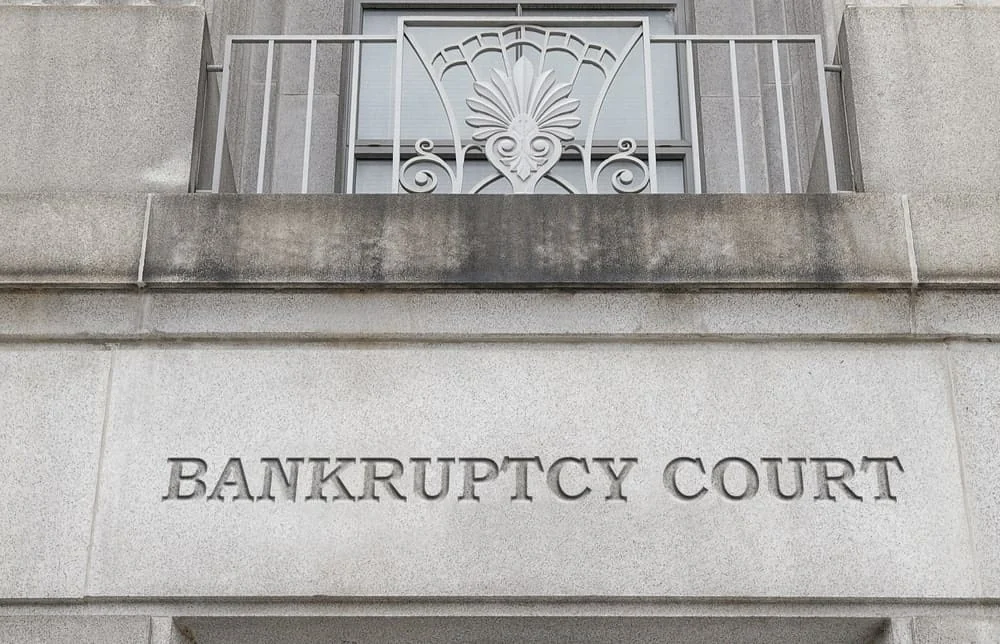
Getty Images has told a US bankruptcy court that costly investor litigation contributed significantly to the financial pressure that pushed the company into Chapter 11, with adverse judgments and further potential claims running into hundreds of millions of dollars.
The image and photography company filed for Chapter 11 protection in Delaware on October 21 as part of a prepackaged restructuring designed to reduce its debt and return the business to private ownership.
At a bankruptcy hearing, Getty attorney Brian Schartz said investor disputes had already resulted in approximately $200 million in judgments and could expose the company to more than $275 million in additional claims. Getty has also spent approximately $35 million defending the investor litigation over four years.
The disputes concern warrants issued before Getty returned to the public markets in 2022.
Several investors sued after Getty prevented them from exercising warrants that would have allowed them to acquire shares for $11.50 each while the company's share price had briefly climbed above $30.
Getty maintained that the warrants could not be exercised at the relevant time because the registration requirements governing the underlying shares had not been satisfied.
The company lost litigation brought by Alta Partners and CRCM Institutional Master Fund. The US Court of Appeals for the Second Circuit upheld judgments against Getty in January 2026, and the company subsequently paid approximately $110.9 million in judgments and associated interest.
Further warrant litigation followed. Twelve lawsuits in New York state court were consolidated, and the court entered a judgment of approximately $67.8 million plus prejudgment interest. The plaintiffs calculated the amount at approximately $92.3 million by August 2026.
Getty appealed but said its limited liquidity prevented it from obtaining a bond to stay enforcement of that judgment. The parties subsequently agreed to a temporary standstill that included a partial payment of approximately $4.2 million.
The litigation placed substantial pressure on Getty's liquidity. Its restructuring disclosures identify more than $200 million in adverse warrant judgments and associated interest, alongside approximately $35 million in legal fees and expenses incurred across multiple courts and appeals.
Getty's financial problems were not caused by litigation alone.
The company identifies three major non-operational events that depleted its liquidity over an 18-month period: the warrant litigation, the collapse of its proposed merger with Shutterstock following an adverse UK regulatory decision, and the debt-service burden associated with its highly leveraged capital structure.
The impact of the warrant disputes was already visible in Getty's financial results. The company reported that $110.9 million of payments relating to the Alta and CRCM judgments and associated interest contributed to negative free cash flow during the second quarter of 2026.
Getty said it had $51.6 million in cash at June 30 and $81.6 million in total available liquidity at that point. It subsequently drew the remaining $30 million available under its revolving credit facility.
The Chapter 11 restructuring is intended to address both the company's capital structure and non-operating legal liabilities.
Under the proposed reorganisation, existing Getty shares will be cancelled and current shareholders will receive no recovery. The company is expected to emerge from Chapter 11 as a privately held business.
Affiliates of the Getty family and Koch Equity Development have committed up to $533 million in new equity investment. Getty says the restructuring has the support of its major financial stakeholder groups and will significantly reduce its outstanding debt.
The company expects its operations to continue during the Chapter 11 process and is seeking to complete the restructuring by the end of 2026.
The proceedings demonstrate how litigation exposure can become a restructuring issue when substantial judgments coincide with high leverage and restricted liquidity.
The financial impact can also extend beyond the amount awarded by a court. Appeal bonds, interest, defence costs and potential follow-on claims can place additional pressure on liquidity while litigation remains unresolved.
Getty's bankruptcy now provides a court-supervised process through which the company can restructure its balance sheet while addressing the warrant-related claims that contributed to its financial pressure.
The Chapter 11 proceedings are In re Getty Images Holdings, Inc., et al., before the US Bankruptcy Court for the District of Delaware.
Source & rights
Original article: Lawyer Monthly. Original language and source publication date retained.
Article and image rights remain with their original rights holders. This site does not grant blanket reuse permission or claim this source reporting as its own.