Disney and James Cameron Defeat Avatar Copyright Claim
Disney and James Cameron have secured dismissal of Eric Ryder’s federal copyright claim alleging that Avatar: The Way of Water and Avatar: Fire and Ash copied protectable elements of his science-fiction story…
Matt Johnson · Lawyer Monthly
Legal information for general reading, not advice for your situation. Jurisdictions and publication dates vary; consult the original source.
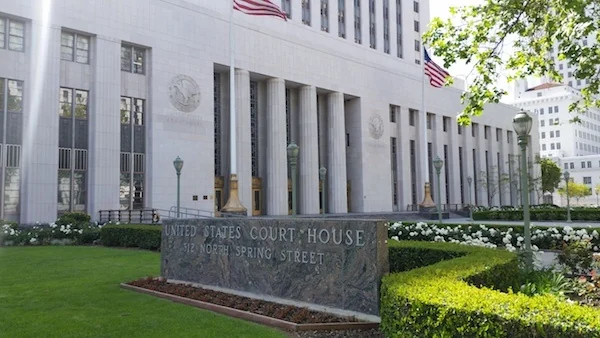
Disney and James Cameron have secured dismissal of Eric Ryder’s federal copyright claim alleging that Avatar: The Way of Water and Avatar: Fire and Ash copied protectable elements of his science-fiction story KRZ.
US District Judge George H. Wu issued his final ruling on October 1 in the Central District of California in Eric Ryder v. James Cameron et al., No. 2:25-cv-11854. The court dismissed Ryder’s First Amended Complaint without further leave to amend after he elected to stand on the existing pleading.
Ryder originally filed the action in December 2025 against Cameron, Lightstorm Entertainment, The Walt Disney Company, 20th Century Studios, Disney Streaming Services and Buena Vista Home Entertainment. An amended complaint filed on April 23, 2026 expanded the allegations to cover both The Way of Water and Fire and Ash.
The federal copyright claim centred on Ryder’s contention that the two sequels were substantially similar to KRZ in areas including plot, characters, dialogue, setting and themes. He also alleged that materials produced during development of the films infringed his work.
Judge Wu rejected the copyright claim under the Ninth Circuit’s extrinsic test. The court found that many of the similarities identified by Ryder either derived from an earlier Avatar scriptment or from the first Avatar film, which predated the defendants’ access to KRZ. Other alleged similarities consisted of Taylor Swift Defeats Marasco Claim | Lawyer Monthly or were expressed in materially different ways.
The court also concluded that expert evidence or further factual discovery was not required to decide substantial similarity. It said the works were intended for general audiences and involved subject matter that could be assessed without specialist knowledge.
Ryder’s First Amended Complaint included four state-law claims alongside copyright infringement: breach of contract, breach of confidence, breach of implied contract and unfair competition. After dismissing the federal copyright claim, Judge Wu declined to exercise supplemental jurisdiction over those claims and dismissed them without prejudice.
The ruling followed an earlier decision in July that gave Ryder an opportunity to amend. Rather than file another complaint, he chose to stand on the First Amended Complaint, leading the court to enter its final ruling and terminate the federal action.
The litigation also involves prominent entertainment and disputes counsel. Munger, Tolles & Olson represents Cameron and the Disney defendants, with Kelly Klaus appearing for the defence in the court record. Ryder is represented by Kasowitz LLP, with Daniel Saunders filing the amended complaint on his behalf.
Kasowitz had sought as much as $1 billion in damages in the amended action, alleging unauthorised use of Ryder’s intellectual property across the Avatar franchise. That damages demand formed part of the plaintiff’s case rather than any finding by the court.
For copyright litigators and in-house legal teams, the ruling illustrates how OpenAI, Microsoft Face Copyright Challenge | Lawyer Monthly can be resolved at the pleading stage where a court can separate protectable expression from ideas, familiar creative elements and material shown to predate access to the claimant’s work.
The decision also shows the importance of a defendant’s Nike, Lululemon End Mirror Patent Dispute | Lawyer Monthly. Evidence that disputed elements appeared in earlier works can substantially narrow what remains available for comparison when a court applies the extrinsic test.
Source & rights
Original article: Lawyer Monthly. Original language and source publication date retained.
Article and image rights remain with their original rights holders. This site does not grant blanket reuse permission or claim this source reporting as its own.