7-Eleven Ends Lawsuit Against Nike Over Store-Colour Shoes
7-Eleven has agreed to end its trademark lawsuit against Nike over a pair of Air Max 95 trainers featuring orange, green and red stripes similar to the convenience store chain's distinctive branding.
Matt Johnson · Lawyer Monthly
Legal information for general reading, not advice for your situation. Jurisdictions and publication dates vary; consult the original source.
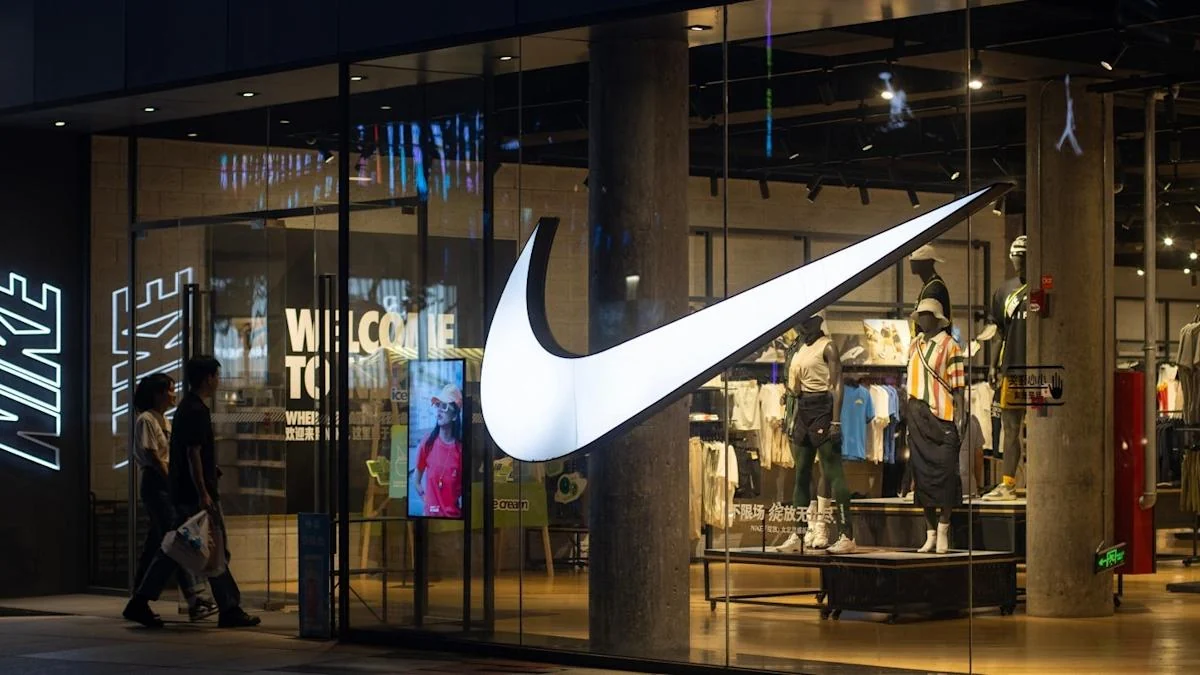
7-Eleven has agreed to end its trademark lawsuit against Nike over a pair of Air Max 95 trainers featuring orange, green and red stripes similar to the convenience store chain's distinctive branding.
The companies asked the US District Court for the Northern District of Texas to dismiss the case with prejudice, meaning 7-Eleven cannot bring the same claims again.
The parties also agreed to bear their own legal fees and costs.
The move brings an end to a dispute that began shortly before Nike planned to release the shoes in July.
7-Eleven sued Nike after claiming the sportswear company's Air Max 95 design was a "confusingly similar imitation" of the colour combination associated with its stores and branding.
The retailer argued that consumers could mistakenly believe the trainers were connected with, sponsored by or endorsed by 7-Eleven.
Nike denied infringing 7-Eleven's trademark rights.
The dispute attracted particular attention because Nike originally planned to release the shoes on July 11.
The date is promoted by the retailer as "7-Eleven Day" and is associated with its annual Free Slurpee Day promotion at participating stores.
7-Eleven filed its lawsuit shortly before the planned launch, accusing Nike of attempting to benefit from the recognition attached to its branding.
The retailer said it had used its orange, green and red colour combination for decades across store signage, advertising, merchandise and other products.
It also cited trademark registrations covering its tri-colour design.
According to the complaint, 7-Eleven attempted to resolve the dispute with Nike before taking legal action but understood that the sportswear company intended to continue advertising and releasing the trainers.
The retailer sought an injunction preventing Nike from selling, promoting or advertising the shoes.
It also sought a recall of products that had already been distributed, together with monetary damages and profits generated from sales.
The lawsuit raised questions over the extent to which a familiar combination of colours can function as a trademark and whether its use on an unrelated product could create consumer confusion.
Colour can receive trademark protection in the United States where it functions as an indicator of commercial source and is not functional.
The issue in the 7-Eleven case was not whether the retailer could claim exclusive rights over orange, green and red individually.
Its allegations centred on Nike's combination and arrangement of the colours, which 7-Eleven argued evoked its established tri-colour branding.
The timing of the planned launch formed another part of the retailer's argument.
7-Eleven alleged that releasing the trainers on July 11 strengthened the impression of an association between the companies despite there being no partnership between them.
The retailer also cited media reports describing the trainers as being inspired by 7-Eleven.
The dismissal means those infringement allegations will not be determined by the court.
It does not establish that Nike infringed 7-Eleven's trademarks, nor does it amount to a judicial finding that consumers were likely to be confused by the Air Max 95 design.
The publicly reported dismissal also does not disclose whether any separate agreement between the companies contributed to the decision to end the litigation.
The case nevertheless illustrates how trademark disputes can extend beyond company names and logos to distinctive combinations of colours that businesses argue consumers associate with their brands.
Here, the potentially significant questions surrounding Nike's Air Max 95 design and the planned July 11 launch will remain unanswered.
With the case dismissed with prejudice and each side bearing its own legal costs, the dispute ends without a court deciding whether Nike's orange, green and red design infringed 7-Eleven's trademark rights.
Source & rights
Original article: Lawyer Monthly. Original language and source publication date retained.
Article and image rights remain with their original rights holders. This site does not grant blanket reuse permission or claim this source reporting as its own.